Step-by-step guide to buying your first property in Spain as a foreigner (2026)







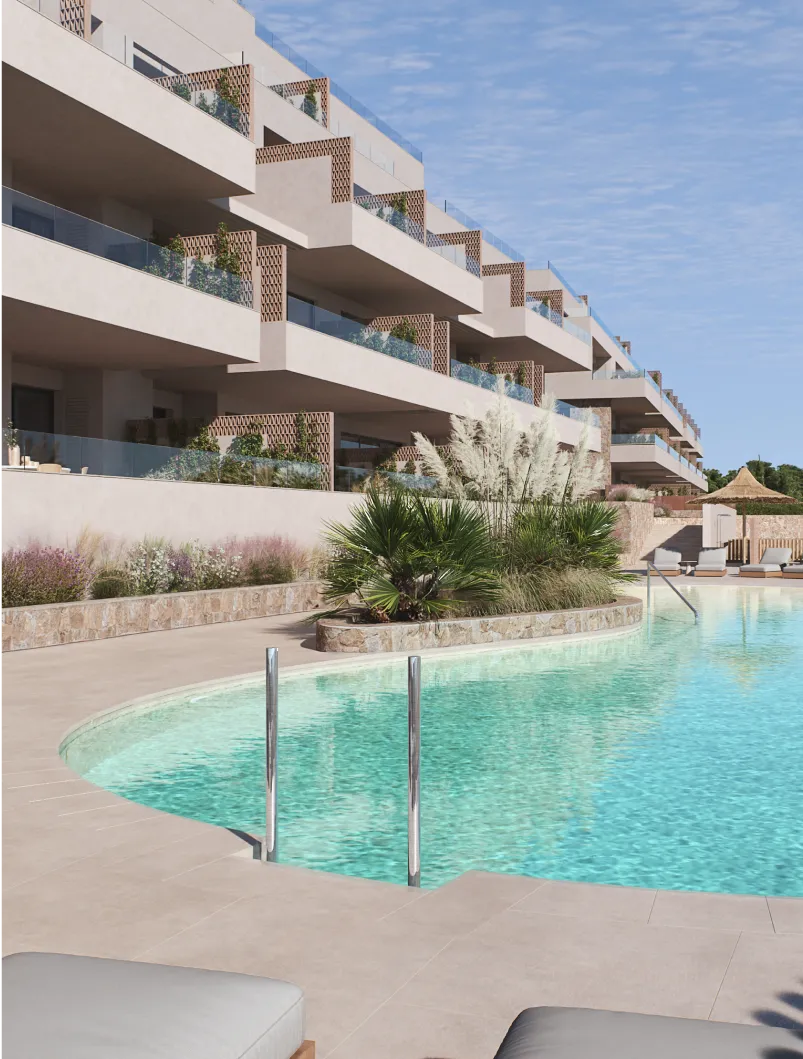
Buying a property in a different country might seem like a complex process. It’s normal to have questions about the paperwork, taxes, financing, or even to wonder if it’s really safe to invest in Spain as a foreigner. The fear of making a costly mistake or running into unfamiliar procedures is usually one of the main worries for those taking this big step.
The good news is that Spain has a solid legal system and a transparent buying process. Whether you are a European Union citizen or live outside of it, buying a property is a safe procedure as long as you know the requirements and follow each step correctly. Having the right information from the start will help you avoid setbacks, save time, and make decisions with more confidence.
In this updated guide for 2026, you will discover, step by step, everything you need to know to buy your first property in Spain as a foreigner. You will learn which documents you need to prepare, how to get the NIE, what taxes and expenses to expect, how to get a mortgage if you need one, what to check before signing, and what happens once the property is yours. By the end, you will have a clear understanding of the whole process to make your purchase safely and with peace of mind.
1
Can a foreigner buy a property in Spain?
Yes. Spain allows foreign citizens to buy properties without major restrictions, whether they live in the country or abroad. Both individuals and international investors can purchase properties for personal use, as a holiday home, or for investment purposes.
The main difference between residents and non-residents isn’t about the right to buy property, but rather certain administrative and financial aspects. For example, residents usually have broader access to mortgage financing, and some tax procedures can vary depending on their residency status. On the other hand, non-residents can also apply for a mortgage, although the financing terms are usually more limited, and they may need to put down a higher percentage of the purchase price.
One of the essential requirements for any foreign buyer is obtaining the Foreigner Identity Number (NIE). This identification number is necessary to carry out the sale and purchase of a home, car, or any property that requires paying taxes, signing the deed in front of a notary, paying the corresponding taxes, and registering the property in the Property Registry. Therefore, applying for the NIE is usually one of the first steps before starting the buying process.
In short, being a foreigner is not an obstacle to buying a property in Spain. With the right documents and following the correct procedure, you can acquire a property with the same legal guarantees as a Spanish citizen.
2
Get your NIE
The Foreigner Identity Number (NIE) is the first thing you need to do before buying a house in Spain. It’s a personal, unique, and permanent number that identifies foreign citizens in their dealings with the Spanish Administration.
Why is it mandatory?
The NIE is essential for carrying out any legal operation related to buying a property. Without this document, you won’t be able to:
- Sign the deed of sale before a notary.
- Pay the corresponding taxes.
- Register the property in the Property Registry.
- Take out a mortgage with a bank.
- Open a bank account in Spain (in most cases).
For this reason, getting the NIE should be the first step for any foreign buyer.
How to apply for the NIE?
There are two main ways to get it:
-Request the NIE from your country.
If you’re not in Spain yet, you can submit the application at the Spanish Consulate or Embassy corresponding to your place of residence. This option is really convenient if you want to arrive in the country with some of the paperwork already prepared.
-Apply for the NIE in Spain.
If you’re already in Spanish territory, you can handle it at an Immigration Office or at a Police Station authorized for this procedure. Usually, you’ll need to make an appointment before submitting the paperwork.
Estimated time and required documents
Although the timeframes can vary depending on the city and existing demand, the process usually gets done in a period of a few days to several weeks.
You will usually need to show:
- Valid passport (original and copy).
Official application form (EX-15 form). - Proof of payment of the corresponding administrative fee.
- Documentation that proves the reason for the application, such as the intention to buy a property or make an investment in Spain.
In some cases, the competent office may request additional documentation, so it’s a good idea to check the specific requirements before going to the appointment.
Bring a translator with you to make this process easier, or hire a lawyer or advisor to handle this paperwork for you.
Practical tips
- Apply for the NIE well in advance to avoid delays in the purchase.
- Book your appointment as soon as possible, especially in high-demand cities like Madrid, Barcelona, Málaga, or Alicante.
- Always bring both originals and copies of all your documents.
- If you can’t go in person, check if you can act through a representative with a power of attorney.
- Keep several copies of your NIE, as you’ll need it throughout the purchase process and for future administrative and tax procedures.
Even if you haven’t found the ideal home yet, getting your NIE as soon as possible will let you move quickly when the right opportunity comes up and avoid delays in signing the purchase.

3
Define your real budget
One of the most common mistakes when buying a property in Spain is thinking only about the price of the property. However, the final cost of the deal is usually higher because of the taxes and fees associated with the purchase.
Before you start looking for properties, it’s a good idea to figure out how much you can actually invest and set aside a buffer to cover all expenses without compromising your financial stability.
It’s not just the price of housing that matters
When buying a property or an apartment in Spain, you should take into account both the purchase price and the additional expenses that come with the transaction. Depending on whether the property is new or resale and the autonomous community it is located in, these costs can vary.
Among the most common expenses are:
- Purchase taxes (VAT or ITP, as applicable).
- Notary fees.
- Property Registry registration.
- Agency fees, if you decide to hire one.
- Home appraisal (especially if you apply for a mortgage).
- Opening commission and other bank fees, if any.
- Moving, renovation, or furniture costs.
As a general reference, it’s advisable to set aside an extra 10% to 15% of the purchase price to cover all these costs.
Practical example
Imagine that you want to buy a property with a price of 250.000€.
Concept Approximate amount
Property price 250.000 €
Taxes and expenses(10 %-15 %) 25.000 € – 37.500 €
Recommended total budget 275.000 € – 287.500 €
This calculation is just a guideline. The final amount will depend on the type of property, the location, and the financing conditions.
Don’t forget the safety margin
In addition to the purchase expenses, it is recommended to have a safety fund to deal with unforeseen events. For example:
- Small renovations after the purchase.
- Buying furniture and appliances.
- Community fees or initial utility bills.
- Unexpected repairs during the first few months.
Ideally, you should keep a budget-friendly cushion equal to at least a few months of personal expenses after finishing the purchase. This will allow you to deal with any unexpected events without having to rely on additional financing.
If you need a mortgage, get a bank pre-approval before you start looking.
You’ll know your real buying power and avoid visiting homes that are beyond your budget.
Additional expenses you should keep in mind when buying a home in Spain
The price shown for a property is not the final amount you’ll pay. Besides the purchase price, there are taxes, legal fees, administrative procedures, and later costs that can significantly increase the total budget.
That’s why, before signing any contract, it’s a good idea to calculate all these concepts to avoid surprises.
1. Sales taxes
Taxes represent the biggest extra cost and mainly depend on whether you buy a new or a resale property.
New Property
Taxes are the biggest extra cost and mostly depend on whether you buy a new or a used home.
- IVA (Value Added Tax)
- General rate: 10% on the purchase price.
- AIJD (Documented Legal Acts).
- The percentage varies depending on the autonomous community.
* Usually ranges between 0.5% and 1.5% of the recorded price.
* In the Canary Islands, the IGIC is applied, with a different rate.
Resale property
The corresponding tax is the ITP (Tax on Property Transfers). It’s generally between 6% and 10% of the purchase price.
In this case, VAT is not charged. This tax depends on the autonomous community. Some regions offer reduced rates for certain buyers.
It’s important to know the rules of the autonomous community where the property is located, since the percentage can vary quite a bit.
In the Valencian Community, the ITP is 10%.
2. Notary fees
The signing of the public deed of sale must be done in front of a notary.
The notary checks:
- The identity of the buyer and seller.
- The legality of the transaction.
- The ability of the parties to enter into a contract.
- That the deed complies with current regulations.
Sus honorarios están regulados por ley y dependen principalmente del valor del inmueble.
As a guideline, they are usually located approximately between:
600 € y 1.500 €
3.Property Registry
Once the deed is signed, the property has to be registered in the Property Registry.
Although legally the purchase is valid from the signing before a notary, registration protects the buyer against third parties and guarantees legal security of the property.
The cost usually ranges between:
400 € y 900 €
4. Administrative management or advisory
¡Many buyers, especially foreigners, prefer to hire a management firm to take care of all the administrative paperwork.
Among its functions are:
- Tax settlement.
- Submission of documentation.
- Registration in the Registry.
- Managing the mortgage with the bank.
- Coordination with the notary.
- Change of ownership for utilities.
Although it’s not always mandatory, it can save time and prevent administrative mistakes.
The cost usually ranges between:
300 € y 800 €
5. Lawyer specialized in real estate law
Hiring an independent lawyer isn’t mandatory, but it is highly recommended, especially when the buyer doesn’t live in Spain.
A lawyer can review essential aspects like:
- Property registration status.
- Existence of liens or seizures.
- Debts with the homeowners’ association.
- Urban planning permits.
- Drafting and review of the deposit contract.
- Conditions of the public deed.
- Representation through a power of attorney if the buyer can’t travel.
In international operations, this figure provides significant legal security.
Fees usually range between:
1% and 2% of the purchase price, or a previously agreed fixed fee.
6. Home appraisal
If you apply for a mortgage, the bank will require an official appraisal of the property.
The appraisal determines the market value of the property and is used to calculate the maximum amount the bank is willing to lend.
Its cost usually ranges between:
300 € y 700 €
7. Bank fees
Depending on the financial institution, there may also be other costs related to the mortgage:
- Opening commission (if there is one).
- Additional notarized copies.
- Linked insurance (home or life, if contractually required).
- Expenses from international transfers.
It’s a good idea to ask the bank for a full breakdown before accepting any mortgage offer.
Post-purchase expenses
Once you get the keys, there can still be various expenses to get the property ready to move in.
8. New setup or change of supply holder
It will be necessary to hire or change the holder of services such as:
- Electricity.
- Water.
- Gas.
- Internet.
- Phone.
Depending on the status of existing contracts, setup fees or administrative costs may apply.
9. Professional cleaning
If the property is new, has been unoccupied, or comes from a second residence, many people choose to hire a thorough cleaning before moving in.
It can include:
- Deep cleaning.
- Disinfection.
- Windows.
- Garage and terraces.
10. Renovations and small repairs
Even when the house is in good condition, it’s common to make improvements like:
- Painting.
- Floor changes.
- Kitchen or bathroom renovations.
- Door replacements.
- Lighting.
- Built-in closets.
- Carpentry.
- Windows.
In older properties, this budget can represent a significant part of the total investment.
11. Air conditioning and climate control
Depending on the area of Spain, installing an air conditioning system can be practically essential.
The expenses can include:
- Air conditioning.
- Heat pump.
- Heating.
- Smart thermostats.
12. Furniture and appliances
Not all properties are sold fully furnished.
You might need to get:
- Sofas.
- Beds.
- Wardrobes.
- Table and chairs.
- Refrigerator.
- Washing machine.
- Dishwasher.
- Oven.
- Microwave.
- TV.
This budget can range from a few thousand euros to much higher amounts, depending on the quality of the equipment.
13. Move
If you’re coming from another city or from abroad, you should also consider:
- Moving company.
- International transport.
- Temporary storage.
- Transport insurance.
- Packing.
In international shopping, this expense can be considerable.
Practical example
Let’s say you buy a property for 250,000€.
Item Approximate cost
Purchase price 250.000 €
Taxes (IVA + AIJD o ITP) 18.000 € – 30.000 €
Notary office 600 € – 1.500 €
Property Registry 400 € – 900 €
Agency 300 € – 800 €
Lawyer 2.000 € – 5.000 €
Appraisal (if there’s a mortgage) 300 € – 700 €
Supplies 200 € – 800 €
Cleaning 200 € – 800 €
Renovation and painting Variable
Air conditioning Variable
Furniture and appliances Variable
Move Variable
—————————-
272.000€ – 290.500€
* The amount will depend on whether the property is new or resale and on the autonomous community.
As a general rule, set aside between 10% and 15% of the properties price to cover taxes and mandatory buying costs. If you also plan to do renovations, furnish the place, or install HVAC systems, it’s a good idea to have a specific additional budget for those projects. Planning these costs from the start will let you buy with more peace of mind and avoid financial stress during your first months as an owner.

4
Look for and pick the right property
Once you have a clear idea of your budget and have obtained your NIE, one of the most important moments in the process comes: finding the right property .
Although today it is possible to find thousands of listings on the Internet, it is not a good idea to make a decision based solely on the photos or the property description. Taking the time to compare options and analyze each property in detail can prevent future problems and help you negotiate a better price.
Looking on your own or with a real estate agent?
There are two common ways to find a place to live in Spain.
Real estate portals
Real estate portals allow you to access a wide range of properties across the country and compare prices, areas, and features from anywhere in the world.
Among its main advantages are:
- Wide variety of properties.
- Filters by price, location, and features.
- Ability to save favorites and get alerts.
- Quick comparison between different options.
However, the information published is not always completely up to date. Some properties may have already been sold or reserved, and the photos might show a more attractive image than reality. Also, the advertised price doesn’t always match the final sale price, since in many markets there is room for negotiation.
Local real estate agents
If you live outside of Spain or aren’t very familiar with the local real estate market, having a trusted real estate agent can make the process a lot easier.
A good professional can help you with:
- Select properties that really fit your budget.
- Schedule several visits in a few days.
- Negotiate the price with the seller.
- Coordinate the necessary paperwork.
- Resolve questions about the area and the local market.
If the agency charges fees to the buyer, ask in writing for the amount and the services included before signing any document.
What to check during the visit
When you visit a property, try to analyze much more than just its aesthetic appearance.
Overall condition of the property
Look closely:
- Dampness or stains on walls and ceilings.
- Significant cracks.
- Condition of doors and windows.
- Quality of thermal insulation.
- Condition of the kitchen and bathrooms.
- Electrical installation.
- Plumbing.
- Age of the boiler or the HVAC system.
A small flaw can turn into an expensive repair if it goes unnoticed.
Check the water pressure
Turn on all the taps and the shower.
That way you can check:
- Water pressure.
- Possible problems in the pipes.
- The condition of the drains.
Check the insulation
Good insulation means significant energy savings.
Check:
- If the windows close properly.
- If air comes in through the joints.
- If there are double-glazed windows.
A simple test is to close a window with a sheet of paper: if it comes out easily, the seal might not be completely airtight.
Listen to the noises
Stay silent for a few minutes.
Rate:
- Traffic.
- Nearby bars or terraces.
- Elevator.
- Neighbors.
- Schools.
- Nearby trains or roads.
Whenever possible, visit the property at different times of day (morning, afternoon, and night) and also on the weekend. A quiet neighborhood during the week can be very different on a Friday night.
Check out the building
When you buy a property, you don’t just buy the property
You also buy a part of the building and the homeowners’ association.
Check this out:
- Condition of the facade.
- Roof.
- Entrance.
- Elevator.
- Garage.
- Common areas.
A poorly maintained building can mean future special assessments for the owners.
Documentation that it’s good to request
If you’re interested in the property, before giving any money, ask or request to have the following documents reviewed:
- Simple note from the Property Registry.
- Cadastral reference.
- Energy efficiency certificate.
- Latest property tax (IBI) receipt.
- Certificate of being up to date with payments to the homeowners’ association.
- Information about any approved special assessments.
- Licenses or urban planning documentation when necessary.
The simple note allows you to check who the owner is and if there are any mortgages, embargoes or other liens on the property.
Warning signs
During the search, it’s wise to be extra careful if you notice any of these situations:The seller avoids providing documentation.
- There are differences between the visited property and the registry information.
- There is pressure to sign a reservation immediately.
- The price is much lower than similar properties without a clear explanation.
- The property has significant dampness or structural cracks.
- There are conflicts in the homeowners’ association or large approved fees.
- There are occupants, tenants, or unclear legal situations.
In any of these situations, it’s recommended to stop the process until all the information is clarified.
Visit several homes before deciding
It’s common to fall in love with the first property that seems to meet all the requirements. However, making a hasty decision can cause you to overlook more interesting options.
Whenever possible:
- Visit at least three similar properties.
- Compare prices per square meter.
- Check out different neighborhoods.
- Take photos and notes during each visit.
- Ask for some time to think before making an offer.
The more properties you see, the better you’ll understand the market and the easier it’ll be to spot when a property is priced competitively or when there’s room to negotiate.
5
Reserve the property: the deposit contract
Once you’ve found the ideal property and have reached an agreement with the seller on the price, the next step is usually signing the deposit contract (contrato de arras).
This document is used to reserve the property and binds both the buyer and the seller to complete the sale within a set period. Although it is not yet the public deed of sale, it has important legal consequences, so it should never be signed without understanding all its clauses.
What is the deposit agreement?
The earnest money contract (Contrato de Arras) is a private agreement through which both parties commit to carrying out the sale under the agreed terms.
It usually includes aspects like:.
- Identification of the buyer and the seller.
- Full description of the property.
- Total agreed price.
- Amount paid as a deposit.
- Payment method for the rest of the price.
- Deadline to sign the deed before a notary.
- Division of expenses and taxes.
- Consequences in case of breach.
The amount given as a deposit is usually subtracted from the final price of the property when the sale is finalized.
Types of earnest money contracts (Contrato de Arras)
Although there are several types, the two most common are the penitential deposit and the confirmatory deposit.
Penitential deposit (Arras penitenciales)
They are the most commonly used in the buying and selling of properties in Spain and are regulated by article 1454 of the Civil Code.
They allow either party to back out of the contract, but with financial consequences:
- If the buyer decides not to go through with the purchase, they lose the amount given as a deposit.
- If it’s the seller who defaults, they must return double the amount received to the buyer.
This system offers a legal way out for both parties, though with a financial penalty.
Confirmatory deposits (Arras confirmatorias)
In this type of contract, the deposit given counts as an advance on the price and confirms that there’s a sales agreement.
If one of the parties fails to comply, the other can legally demand:
- The fulfillment of the contract.
- Or compensation for the damages caused.
Unlike with penitential deposits, here there is no option to back out simply by losing or returning double the deposit.
How much money is given as a deposit?
There isn’t a percentage set by law. The amount is freely negotiable between buyer and seller.
In practice, it’s most common to put down between 5% and 10% of the property price, with 10% being the most frequent percentage.
Example
If you buy a property for 250,000€, a 10% deposit would be:
- Housing price: 250.000€
- Deposit paid: 25.000 €
When the time comes to sign the public deed, that amount will be deducted from the outstanding payment.
In certain transactions, especially when the sale depends on specific circumstances or there is a specific agreement between the parties, a higher deposit, like 15% or 20%, can also be agreed upon.
What happens if one of the parties backs out?
The consequences will depend on the type of deposit you signed.
If they are penitential deposits
If the buyer backs out of the purchase: They lose the entire amount given as a deposit.
If the seller decides not to sell: They must return double the amount received.
For example, if the buyer gave 25,000 €, the seller would have to return 50,000 €.
If they are confirmatory deposits
Noncompliance may lead to a legal procedure in which the affected party requests:
- That they be forced to fulfill the contract.
- Or compensation for the damages suffered.
That’s why it’s essential to know exactly what type of deposit agreement you’re signing.
Things you should check before signing
Before handing over any amount of money, make sure the contract includes at least the following information:
- Complete details of the buyer and the seller.
- Exact description of the property.
- Cadastral reference and registry information.
- Total agreed price.
- Amount given as a deposit.
- Deadline to sign the public deed.
- Payment method for the remaining price.
- Distribution of taxes and expenses.
- Type of earnest money contract signed.
- Consequences in case of breach.
- Status of charges, mortgages, or liens, if any.
It’s also recommended that the contract includes any special conditions agreed upon by the parties, like carrying out certain repairs before the sale or making the deal conditional on getting a mortgage.
Don’t sign anything without checking it
The deposit contract has important legal and financial effects. Even though it might seem like a simple formality, signing it without reviewing its content can cause conflicts that are hard to resolve.
If you’re a foreigner or not familiar with Spanish law, the safest thing to do is have a specialized lawyer review the document before giving it to the seller. This professional can make sure the clauses are clear, fair, and that they properly protect your interests.
Never hand over cash without getting a receipt and avoid signing a deposit agreement if there are still doubts about the legal status of the property. A prior check of the documentation can prevent problems like hidden liens, foreclosures, or registry discrepancies that could delay or even stop the sale.

6
Due Diligence: make sure everything is in order
Before signing the public deed and paying the price of the property, it’s essential to carry out real estate due diligence, that is, a legal and technical review of the property to make sure there aren’t any issues that could affect the purchase.
Although some of these checks can be done by the real estate agency or the bank, it’s best for a lawyer who specializes in real estate law to review them independently, especially if you’re a foreigner or aren’t familiar with Spanish law.
Spending a few hours in this phase can prevent legal problems, unexpected expenses, or even the inability to sell the home in the future.
We carry out all this service for our clients.
1. Request a simple note from the Property Registry
The simple note is one of the most important documents in any real estate sale.
This is an informative document issued by the Property Registry that allows you to know the legal status of the property.
Thanks to her, you’ll be able to check:
- Who is the legal owner of the property.
- If there are several owners.The registered area.
- The registry description of the property.
- If there are any pending mortgages.
- Seizures.
- Easements.
- Usufructs.
- Prohibitions on selling or other charges.
It’s recommended to request an updated simple note a few days before signing to make sure the registry situation hasn’t changed.
2. Check if there are any liens or debts
Not all charges are shown the same way, so it’s worth checking different aspects.
Mortgages
If the property has a mortgage, it must be paid off or assumed according to what was agreed before or at the time of the sale.
Court seizures
A lien can prevent or make it difficult to transfer the property.
Never sign the purchase without knowing exactly how it will be canceled.
Debts with the homeowners’ association
Request a certificate issued by the administrator or the president of the community confirming that the seller is up to date on paying the community fees.
Otherwise, certain debts could affect the new owner under the terms provided by the law.
Property Tax (IBI)
Ask for the latest IBI receipt to make sure it’s paid and to check the property’s cadastral details.
3. Check the urban planning situation and the legality of the house
It’s not enough for the property to exist physically; it also has to comply with urban planning regulations.
It’s recommended to check:
- That the property has the necessary licenses.
- That there are no ongoing urban planning files.
- That any extensions, enclosures, or renovations carried out were legalized.
- That the built area matches the registry and cadastral information.
- That the use of the property is in accordance with urban planning.
These checks are especially important in single-family homes, rural properties, and older buildings
If you buy a newly built home, also check that it has the certificate of first occupancy or the equivalent document when required.
4. Request the Energy Efficiency Certificate
Every property sold in Spain must have an Energy Efficiency Certificate (CEE)..
This document rates the property’s energy consumption on a scale from A (highest efficiency) to G (lowest efficiency).
The certificate provides information about:
- Estimated energy consumption.
- CO₂ emissions.
- Level of insulation.
- Recommendations to improve energy efficiency.
Although a low rating doesn’t prevent the purchase, it can signal higher spending on heating, air conditioning, or electricity.
5. Is it recommended to do a technical inspection?
Yes, especially if it’s a used property or several years old.
Although it’s not always mandatory, an inspection carried out by an architect or a technical architect can spot problems that aren’t visible during a visit.
Among other things, you can check out:
- The amount of the monthly fee.
- If there are any approved or planned special assessments.
- The financial status of the community.
- The internal rules of coexistence.
- The common services included (elevator, pool, gardens, security, etc.).
A community with significant debts or with outstanding extraordinary projects can significantly increase future expenses.
7. Check that all the supplies are in order
Before signing the deed, make sure that the supply contracts can be transferred without any issues and that there are no outstanding debts.
Among them:
- Electricity.
- Water.
- Gas.
- Internet and phone service, if installed.
It’s also a good idea to make sure the facilities meet current regulations and don’t need an immediate update.
Checklist before buying
Before going to the notary, make sure you’ve checked the following points:
✔ Updated simple note from the Property Registry.
✔ Identity and ownership of the seller.
✔ No mortgages, liens, or other charges, or a clear agreement on their cancellation.
✔ Certificate showing that payments to the homeowners’ association are up to date.
✔ Last property tax (IBI) receipt.
✔ Urban planning status and housing licenses.
✔ Energy Efficiency Certificate.
✔ Technical inspection, especially for resale properties.
✔ Condition of utilities and the possibility of changing ownership.
Don’t assume that a property is fully legalized just because it’s listed by a real estate agency. Doing a complete due diligence before signing the deed is one of the best investments you can make, as it will allow you to buy more confidently and avoid legal or financial problems once you become the owner.

7
Signing the public deed before a notary
After completing all the legal checks, getting the financing (if you need it), and agreeing on the date with the seller, it’s time to formalize the sale by signing the public deed before a notary.
This is the act that officially turns the agreement between buyer and seller into a sale formalized with all the legal guarantees. Although the process is usually quick, it’s important to show up with all your documents ready and understand what happens during the signing.
What happens on the signing day?
The signing takes place at a notary chosen by the parties or, in many cases, by the buyer.
The following people are usually present at the signing:
- The buyer.
- The seller.
- The notary.
- The bank representatives, if there is mortgage financing.
- The lawyers or advisors of the parties, when involved.
- An interpreter, if the buyer doesn’t understand Spanish well enough and feels the need for language assistance.
The notary acts as an impartial public official whose job is to make sure the transaction complies with current law and that both parties understand the content of the contract they are going to sign.
Before signing, the notary:
- Check the identity of the parties appearing.
- Verify the legal capacity of the buyer and seller.
- Review the property documentation.
- Confirm the agreed method of payment.
- Read or explain the essential content of the public deed.
- Resolve any legal questions that the parties may raise.
They don’t represent either the buyer or the seller, but they make sure the whole deal is legal.
What documents should you bring?
As a foreign buyer, you will usually need to provide:
- Valid passport or official ID.
- Foreigner Identification Number (NIE).
- Proof of payment method (bank transfer, bank check, or another agreed system).
- Bank documents, if a mortgage is involved.
- Power of attorney, if a representative is acting on your behalf.
It’s recommended to check with the notary a few days before the signing to see if any additional documents need to be provided.
How do you pay the rest of the price?
The amount previously paid through the deposit contract is deducted from the final price of the property.
The rest of the amount will be paid on the same day as the signing using one of these methods:
- Bank-certified check issued by the financial institution.
- Bank transfer, when both parties accept it and its proper execution can be verified.
- Payment financed through a mortgage loan, in which case the bank delivers the funds as agreed.
The notary will record in the deed the total purchase price and the method of payment used, in compliance with the regulations on fraud prevention and money laundering.
Before going to the notary, check with your bank the timing for issuing checks or international transfers to avoid delays in signing.
Signing of the public deed
Once all the documentation has been checked and any questions cleared up, the buyer and seller sign the deed.
With the signature:
- The seller transfers ownership of the property.
- The buyer takes on the commitment to pay the agreed price.
- All the conditions of the deal are reflected.
- If there’s a mortgage, usually the mortgage loan deed is signed too.
After the signing, the notary gives a simple copy of the deed while the follow-up procedures for registration and tax settlement are carried out.
Handing over the keys
In most transactions, the keys are handed over right after signing the deed and paying the price.
In addition to the main keys, it’s a good idea to request:
- Garage remotes.
- Keys to storage rooms or common areas.
- Access codes to the building, if any.
- Appliance or HVAC manuals.
- Active contracts or warranties for installations.
It’s also recommended to check that the condition of the property matches what was agreed on and that no items included in the sale have been removed.
Before leaving the notary’s office
Before wrapping up the operation, make sure you have:
- A copy of the public deed.
- Proof of payment made.
- All keys and access devices.
- Certificates or documentation provided by the seller.
- Contact information for the management office or the professional who will handle the registration at the Property Registry and the tax settlement, if applicable.
Signing in front of a notary doesn’t mean all the procedures are over. After the sale, you’ll still need to pay the corresponding taxes, register the property in the Land Registry, and change the ownership of the utilities. If you have a lawyer, they can take care of these steps to make sure the process finishes safely and without any issues.

8
Paperwork after buying the property
Congratulations! You are now the owner of a property in Spain. However, signing the public deed doesn’t mean the process is over. There are still several administrative and legal procedures that you should take care of as soon as possible to avoid future problems and enjoy your new home with complete peace of mind.
Next, we’ll explain which ones are the most important.
1. Register the property at the Property Registry
Although the sale is completed with the signing of the public deed before a notary, it is highly recommended to register the property with the Land Registry.
Registration provides greater legal security, since it officially records who the new owner is and protects your rights against third parties.
Normally, this procedure is handled by the hired management office, although you can also take care of it yourself.
To register the house, you will need:
- The public deed of sale.
- The receipt showing that the corresponding taxes have been paid.
- Any additional documentation that the Registry may require.
Once the property is registered, you’ll receive confirmation that the property is officially in your name.
2. Change the ownership or set up the utilities
One of the first steps after getting the keys is making sure all the utilities are in your name.
You will usually need to manage:
- Electricity.
- Water.
- Gas, if the house has this installation.I
- nternet.
- Landline phone, if you need it.
In newly built properties, it’s necessary to set up some services for the first time, while in resale properties it’s usually enough to just request a change of ownership.
Before hiring a company, compare rates and terms to choose the option that best fits your needs.
3. Register if you’re going to live in the property
If your intention is to live in Spain regularly, one of the first things you’ll need to do is register with the local town hall.
The municipal register proves your usual address and may be needed to carry out numerous administrative procedures.
Among other advantages, registering your residence can make it easier:
- Access to certain public services.
- Schooling for minors.
- Procedures related to healthcare.Processes with other public administrations.
To register, you usually need to show:
- ID card or passport.
- NIE, when applicable.
- Deed of sale or document proving the availability of the property.
- The form provided by the city council.
The requirements might vary a bit depending on the municipality.
4. Get home insurance
Although it’s not always mandatory, getting home insurance is one of the best decisions you can make as a homeowner.
If you financed the purchase through a mortgage, the bank might require at least insurance that covers damage to the structure of the house.
Also, you can expand your coverage with options like:
- Fires.
- Water damage.
- Weather events.
- Theft.
- Liability.
- Electrical damage.
- Urgent home assistance.
Comparing different policies will allow you to find the coverage that best suits your home and your budget.
5. Notify the change of ownership for the IBI
The Property Tax (IBI) is a local tax that property owners have to pay.
Although the transfer of ownership is usually communicated through the procedures derived from the sale, it’s advisable to check that the city council has properly updated the ownership to avoid issues with future bills.
. It’s also a good idea to check the notification address to make sure any communication reaches the correct place.
6. Informs the homeowners’ association
If you’ve bought an apartment or a home that’s part of a community, let the administrator or the community president know about the ownership change as soon as possible.
This way you will be able to:
- Update your information.
- Properly issue the receipts for community fees.
- Include you in the meeting calls.
- Provide you with the building’s internal rules.
- Give you, if applicable, remotes, keys, or access codes to common areas.
Also take the chance to learn about:
- The amount of the community fee.
- The rules of coexistence.
- The upcoming homeowners’ meetings.
- Possible special assessments already approved or planned.

9
Organize the purchase documentation
Keep all the documentation related to buying the house in a safe place.
Among the most important documents are:
- Public deed of sale.
- Proof of payment.
- Deposit agreement.
- Invoices from the notary, registry, and management office.
- Mortgage documentation, if it exists.
- Energy Efficiency Certificate.
- Warranties for appliances and installations.
- Utility contracts.
- Home insurance policy.
Keeping these documents will make future processes easier, like selling, renovating, or applying for financing.
Final checklist
Before wrapping up the process, make sure you’ve completed the following steps:
- ✔ Register the property in the Property Registry.
- ✔ Pay all the taxes related to the sale.
- ✔ Change the account holder or set up utilities.
- ✔ Get home insurance.
- ✔ Register your residence if you’re going to live in the property regularly.
- ✔ Check the change of ownership for property taxes.
- ✔ Inform the homeowners’ association about the purchase.
- ✔ Keep all the documents related to the transaction.
Durante los primeros meses como propietario, revisa cuidadosamente los primeros recibos de suministros, IBI y comunidad para comprobar que todos los datos son correctos y que no existen incidencias derivadas del cambio de titularidad. During the first few months as an owner, carefully check the initial utility bills, property tax, and community fees to make sure all the information is correct and that there are no issues resulting from the change of ownership.

10
Approximate total costs when buying a property in Spain as a foreigner
One of the most common mistakes when buying a property in Spain is only calculating the price of the property. In reality, the buyer should have a higher budget to cover taxes, legal fees, financing, and getting the property ready.
As a general rule, a buyer should expect approximately:
Vivienda de segunda mano: entre un 8 % y un 15 % adicional sobre el precio de compra.
Vivienda nueva: entre un 11 % y un 15 % adicional sobre el precio de compra. Resale property: between 8% and 15% extra on the purchase price.
New property: between 11% and 15% extra on the purchase price.
These percentages can vary depending on the autonomous community, the type of property, and the professional services hired.
Summary table of purchase expenses
Concept Approximate percentage of the price Notes
ITP (reale property ) 6% – 10% Depends on the autonomous community
VAT (new property) 10% Normally applicable to homes bought from the developer
AIJD 0.5% – 1.5% Varies depending on the autonomous community
Notary 0.2% – 0.6% According to the value and complexity of the deed
Property Registry 0.1% – 0.4% Registration of the home in the buyer’s name
Management agency (Gestoría) 300 € – 800 € Tax processing and registration
Real estate lawyer 1% – 2% Recommended for foreign buyers
Mortgage appraisal 300 € – 700 € Only if a mortgage is requested
Translation/interpreter Variable Might be necessary if you don’t speak Spanish
Home insurance 200 € – 600 € Might be required with a mortgage
Differences between residents and non-residents
Although a resident foreigner and a non-resident foreigner have the right to buy a home in Spain, there are some differences that mainly affect financing and financial planning.
Foreign buyer living in Spain
A tax resident or someone who usually lives in Spain usually has a situation more similar to that of a Spanish buyer.
Common advantages:
- Easier to show income.
- More banking financing options.
- Possibility of getting better mortgage terms.
- Easier to manage bills and utilities.
Banks usually look at:
- Employment contract in Spain.
- Payslips.
- Tax Return.
- Bank statements in Spain.
Non-resident foreign buyer
Non-residents can also buy a property, but banks usually apply more conservative conditions.
Common features:
- Lower percentage of financing.
- Higher initial contribution needed.
- More financial documentation required.
For example, while a resident can get financing of about 70% – 80% of the property value, a non-resident usually faces lower limits, often around 60% – 70%.
This means that a non-resident buyer needs to have more initial capital.
Example:
250,000 € property. Buyer resident:
- 80% Mortgage: 200,000€
- Contribution: 50,000€
- Purchase expenses: 25,000€ – 35,000€
Necessary capital: 75,000€ – 85,000€
Non-resident buyer:
- 60% mortgage: 150,000€
- Contribution: 100,000€
- Purchase expenses: 25,000€ – 35,000€
Required capital: 125,000€ – 135,000€
Realistic example: buying a 250,000€ property
Case 1: Resale Properties
Let’s suppose the purchase of a resale apartment for 250,000€.
Concept Approximate Amount
Purchase price 250.000 €
ITP (8 % – 10%) 20.000 € – 25.000€
Notary 1.500 €
Register 600 €
Agency (Gestoría) 500 €
Lawyer 2.500 €
Mortgage appraisal 500 €
Other administrative expenses 500 €
Total additional expenses 26.100 € aprox
Total acquisition cost: approximately 276,100€
Case 2: New home
Purchase of a new home for 250,000€.
Concept Approximate amount
Purchase price 250.000 €
IVA (10 %) 25.000 €
AIJD (1 %) 2.500 €
Notary 1.500 €
Register 600 €
Agency (Gestoría) 500 €
Lawyer 2.500 €
Other expenses 500 €
Total additional expenses 33.100 € aprox.
Total acquisition cost: approximately 282.600€
—
Expenses that may come up after the purchase
In addition to the legal acquisition cost, many foreign buyers need to consider other expenses in order to move into the property
Item Approximate Cost
Utilities setup or change 100€ – 500€
Internet and phone 30€ – 70€/month
Initial professional cleaning 200€ – 800€
Painting 1,000€ – 5,000€
Partial renovation Variable
Air conditioning 1,000€ – 4,000€
Furniture and appliances 5,000€ – 20,000€
International move Variable
Final budget recommendation
To buy with peace of mind, don’t just calculate if you can afford the price of the property. Calculate if you can handle:
1. The purchase price.
2. Taxes.
3. Legal fees.
4. Possible financing.
5. Home adaptation.
6. An emergency fund after the purchase.
As a practical reference: Property priced at 250,000€ → prepare roughly between 275,000€ and 285,000€ as the minimum total budget.
* If you need renovations, furniture, or are coming from another country, add an extra margin.
Foreign buyers often make the mistake of booking a property thinking only about the down payment. Before signing an earnest money contract, always calculate the full cost of turning that property into your home.
11
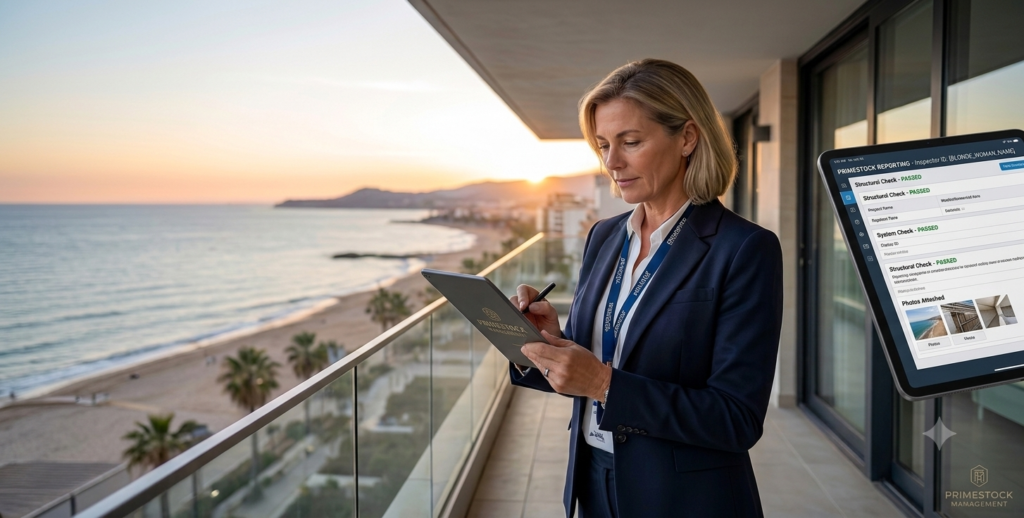
Most common mistakes you should avoid when buying a property in Spain as a foreigner
Buying a home in Spain can be a great decision, both for living in or investing, but not knowing the process can lead to mistakes that cause unexpected costs, delays, or even legal problems.
These are some of the most common mistakes and how to avoid them.
1. Calculate just the price of the property
The mistake
Many foreign buyers do their calculations based only on the listed price of the property and forget that there are taxes, notary fees, registration, lawyers, administrative fees, and other associated costs.
For example, a property listed for 250,000€ can end up costing more than 275,000€ once you include taxes and buying costs.
How to avoid it
Before starting the search:
- Calculate the total budget, not just the purchase price.
- Set aside an extra 10% to 15% for expenses and unexpected costs.
- Add an extra margin if you need renovations, furniture, or an international move.
2. Buying without checking the legal status of the property
The Mistake
Sometimes, the buyer falls in love with a property and puts down a deposit without checking if there are liens, title issues, or zoning irregularities.
Some common problems can be:
- Pending mortgages.
- Foreclosures.
- Differences between built and registered square meters.
- Unlicensed renovations.
- Debts with the community.
How to avoid it
Before signing any contract:
- Request an updated simple note.
- Check the seller’s ownership.
- Review any existing charges.
- Verify the planning situation.
- Have an independent lawyer if you don’t know the Spanish system.
3. Signing a deposit contract without understanding its consequences
The Mistake
Some buyers hand over money as a deposit without carefully reading the terms of the contract.
A deposit contract can have important consequences if later on one of the parties decides not to go through with the deal.
How to avoid it
Before signing:
- Check what type of deposit you are signing.
- Review the conditions for returning the deposit.
- Include specific clauses if you rely on a mortgage.
- Don’t hand over money without a signed document and a proof of payment.
4. Not having a specialized lawyer
The mistake
Some buyers try to go through the whole process only with the help of a real estate agency.
Aunque muchas agencias trabajan de forma profesional, su función principal suele ser facilitar la compraventa, no representar exclusivamente los intereses del comprador. Although many agencies work professionally, their main role is usually to facilitate buying and selling, not to exclusively represent the buyer’s interests.
How to avoid it
Hiring a real estate lawyer can help you to:
- Review contracts.
- Spot legal issues.
- Check documentation.
- Protect your interests during negotiations.
- Clear up tax and administrative questions.
For a foreign buyer, this support can be especially valuable.
5. Not investigating the area enough
The mistake
A property may seem perfect during a visit, but the surroundings might not suit your needs.
Some aspects that are usually overlooked:
- Traffic noise.
- Distance to services.
- Nearby public transportation.
- Safe area.
- Weekend atmosphere.
- Future urban development projects.
How to avoid it
Before buying:
- Visit the area at different times.
- Talk to neighbors.
- Check nearby services.
- Look into the price trends and how the neighborhood is evolving.
- Consider if the area fits your lifestyle.
6. Not checking future maintenance costs
The Mistake
Some buyers focus only on getting the property and forget about the usual costs of being an owner.
These can include:
- Homeowners’ association.
- Property tax (IBI).
- Home insurance.
- Maintenance.
- Future renovations. Pool, garden, or shared facilities.
How to avoid it
Before buying, ask for information about:
- Monthly community fee.
- Approved special assessments.
- Condition of the building.
- Age of the facilities.
- Approximate annual expenses.
A cheap property can end up being expensive if it needs major repairs later on.
7. Not understanding the differences between a resident and a non-resident
The Mistake
Some foreign buyers assume they will get the same terms as someone living in Spain, especially when applying for a mortgage.
However, banks usually analyze the income, taxes, and economic stability of non-resident buyers differently.
How to avoid it
Before looking for a place to live:
- Check your real financing capacity.
- Request a prior assessment from the bank.
- Compare different entities.
- Calculate how much capital you will need to contribute.
8. Making decisions too quickly
The Mistake
The fear of missing out on an opportunity can lead to buying without checking enough options or doing the necessary checks.
The real estate market can create pressure, especially in areas with high demand.
How to avoid it
Keep a tidy process:
- Visit several homes.
- Compare similar prices.
- Don’t ignore warning signs.
- Don’t sign documents you don’t understand.
- Take the time you need to review the deal.
Summary: The golden rules for safe shopping
Summary: The golden rules for safe shopping
✔ Calculate the total cost, not just the advertised price.
✔ Get your NIE with enough time.
✔ Check all the paperwork before handing over money.
✔ Hire independent legal advice when needed.
✔ Inspect the property, the building, and the area.
✔ Don’t sign contracts you don’t fully understand.
✔ Plan for expenses after the purchase.
A good real estate purchase isn’t just about finding a nice property at a good price. It’s about making sure the property is legal, that you can comfortably maintain it, and that the deal is protected from the first document to handing over the keys.
12
Open a bank account in Spain
Although Spanish law does not explicitly require having a bank account in Spain to buy a property, in practice it is almost essential. Most payments related to the purchase —like taxes, notary fees, utilities, or mortgage payments— are made through bank transfers or direct debit.
Opening a bank account from the start of the process will allow you to manage the operation more comfortably and avoid delays at the time of signing.
Why do you need a Spanish bank account?
Having a current account at a Spanish bank makes many tasks easier, including:
- Pay the deposit for the purchase agreement.
- Pay the remaining amount of the sale by bank transfer or check.
- Set up direct debit for the mortgage installments.
- Pay taxes related to the purchase.
- Pay water, electricity, gas, internet, and homeowners’ association bills.
- Take out insurance linked to the property.
- Receive tax refunds or handle other procedures with the government.
Although some payments can be made from a foreign account, most professionals involved in the buying and selling process (notaries, banks, management agencies) recommend operating with a Spanish account.
What documents does the bank usually ask for?
The requirements can vary between entities, but usually you’ll need to provide
- Valid passport or national identity card.
- Foreigner Identification Number (NIE).
- Proof of address in your country of residence or in Spain.
- Information about your professional activity.
- Documentation that proves the source of your income.
- Tax identification number from your country of residence (when applicable).
Si además solicitas una hipoteca, el banco pedirá documentación económica adicional, como nóminas, declaraciones fiscales, extractos bancarios o certificados de ingresos.
If you also apply for a mortgage, the bank will ask for additional financial documents, like pay stubs, tax returns, bank statements, or income certificates.
Money laundering prevention controls
Many foreign buyers are surprised when the bank asks for detailed information about their assets or the origin of the money they’re going to use to buy the property.
Sin embargo, estas comprobaciones son completamente normales y forman parte de las obligaciones legales que tienen todas las entidades financieras en España para prevenir el blanqueo de capitales y la financiación del terrorismo.However, these checks are completely normal and are part of the legal obligations that all financial institutions in Spain have to prevent money laundering and the financing of terrorism.
The bank may request documentation such as:
- Tax returns.
- Pay slips or salary certificates.
- Deeds of sale of another property.
- Purchase contracts of other assets.
- Bank statements.
- Documents that justify inheritances or donations.
- Information about companies or business activities, if applicable.
It’s also common for them to ask:
- The reason for opening the account.
- The purpose of the funds.
- The approximate amount of the transaction.
- Whether you’re acting on your own behalf or for someone else.
These checks are routine and don’t mean there’s any problem with the operation. Providing all the documentation from the start usually speeds up the account opening and avoids later delays.
How long does it take to open an account?
If all the documentation is complete and passes the bank’s internal checks, the account can be opened in a few days.
No obstante, cuando intervienen transferencias internacionales de elevado importe o es necesario revisar documentación adicional sobre el origen de los fondos, el proceso puede prolongarse algo más.
However, when large international transfers are involved or it’s necessary to review additional documentation about the source of the funds, the process can take a bit longer.
What costs can a bank account have?
The conditions depend on each financial institution and the type of account you have.
Among the most common costs are:
- Account maintenance fee.
- Fee for issuing international transfers.
- Currency exchange fee, if you transfer funds from an account in another currency.
- Charges for issuing certified bank checks, often used in real estate transactions.
- Fee for debit or credit cards, in some cases.
Many banks offer accounts with reduced fees or even no maintenance costs when certain requirements are met, like setting up direct deposits or keeping a minimum balance.
Practical tips
- Open the bank account well in advance to avoid delays in the purchase.
- Keep all the documents that prove the source of your funds, as the bank will probably ask for them.
- If you’re going to transfer a large amount from abroad, check with your bank first about processing times and possible fees.
- Check if the bank charges for issuing certified bank checks, since this payment method is still frequently used for transactions at the notary.
- If you need financing, consider opening the account with the same bank where you’ll handle the mortgage, as it can simplify the process and give you access to certain commercial benefits.
Don’t wait to have your chosen property to open your bank account. Getting this process started early will allow you to get through money laundering prevention checks in time, make international transfers more smoothly, and handle the purchase signing without any last-minute surprises.
Conclusion
Buying your first property in Spain as a foreigner can seem like a complicated process at first, especially if you don’t know the regulations, administrative procedures, or how the Spanish real estate market works. However, with good planning and the right advice, it becomes a safe and perfectly accessible operation.
Throughout this guide, you’ve seen the essential steps: getting the NIE, opening a bank account, setting a realistic budget, finding the right property, signing a deposit contract with guarantees, carrying out the necessary legal checks, formalizing the purchase with a notary, and completing the follow-up procedures to become a homeowner with total peace of mind.
The key to success isn’t just finding the perfect property, but making sure every step of the process is done correctly. Good preparation can prevent delays, unexpected costs, and legal issues, allowing you to enjoy your new home from day one.
Do you need help buying a property in Spain?
Each buyer has different needs. Buying a resale property on the coast isn’t the same as moving to Spain to live there permanently or making a investment.
If you want to have the support of professionals throughout the whole process, we can help you to:
- Analyze your situation and answer your questions before starting.
- Explain the legal requirements according to your country of residence.
- Help you in finding the right property.
- Coordinate the process with real estate agents, lawyers, banks, and the notary.
- Review the documents before signing.
- Handle the necessary procedures to make sure the purchase is completely secure.
Our goal is for you to buy your property in Spain with confidence, transparency, and without unnecessary complications.
Get in touch with us to receive personalized advice. We'll be happy to be with you every step of the way and help you make the best decision.
Featured Properties
Handpicked selections from our exclusive portfolio
Curated Residences














City · Penthouse
Luxury Penthouse
1.250.000 €
Coast · Villa
Mediterranean Villa with Garden
890.000 €
City · Penthouse
Panoramic Sky Residence
2.100.000 €
Explore by Zone
Area Guides
Coast
Torrevieja
Orihuela Costa
Golf Course




Our Story
Three Decades of Mediterranean Excellence
With over 30 years of experience in the Costa Blanca real estate market, at Lilypad Properties we have helped thousands of families from across Europe find their ideal home in Spain. From the very beginning, our commitment has been clear: to provide a personal, professional, and transparent service that guides our clients through every step of the buying process.
We know every corner of Orihuela Costa and Torrevieja. We know which urbanization has the best sea views, which is closest to the beach, where the best schools are, and which areas offer the best value for money. This deep local knowledge is what sets us apart and allows our clients to make informed decisions with complete confidence.
Our multilingual team speaks Spanish, English, German, French, Dutch, and Scandinavian languages, enabling us to serve international buyers in their own language. We take care of everything: from finding the perfect property to managing legal matters, tax affairs, and after-sales support. Your only concern will be choosing your home — we’ll handle the rest.
Whether you’re looking for a beachside apartment for holidays, a villa with a pool for retiring in the sun, or a high-yield rental investment, we’re here to make your dream come true. Over three decades of satisfied families stand behind our track record.
Selling your property?
Ready to write your next chapter
If you’re thinking of selling your property in Orihuela Costa or Torrevieja, you’ve come to the right place. At Lilypad Properties, we have an active portfolio of international buyers looking for exactly what you offer: apartments, villas, penthouses, and townhouses on the Southern Costa Blanca. Our sales service includes a free, no-obligation property valuation, professional photography, video and virtual tours, listing on major international property portals, and active promotion across social media and our database of qualified buyers. We handle the entire process: from preparing your home for sale to signing at the notary, including all legal, tax, and documentary management. Over 30 years of experience and thousands of properties sold guarantee an effective service that maximizes your property’s value.
Who We Are
About Us
At our core, we’re here to make home-searching feel human, easy, and reassuring.
We believe finding a home shouldn’t feel overwhelming—it should feel exciting. That’s why we blend smart technology with real guidance, helping you make confident choices without the noise. From neighborhood insights to verified listings, we’re committed to giving you a smooth, dependable experience as you move toward the place where your next chapter begins.
Let's Find You Together The Place You Deserve
Begin your search with confidence.
Discover homes built for comfort, value, and peace of mind.